Minneapolis, MN Apartment Hunting Guide: Find Your Perfect Rental
Minneapolis offers a vibrant urban lifestyle combined with Midwestern charm and affordability. The city features diverse neighborhoods, excellent public amenities, and a thriving cultural scene that attracts renters year-round. Whether you're seeking a modern downtown loft or a cozy apartment near the lakes, understanding the local rental landscape helps you make smart decisions. This Minneapolis MN apartment hunting guide covers everything from market trends to lease requirements, giving you the tools to secure your ideal home. We'll walk you through rental costs, neighborhood options, and essential tips that make your Minneapolis MN apartment hunting guide experience straightforward and successful.
Understanding the Minneapolis Rental Market
The Minneapolis rental market remains competitive yet accessible compared to other major metropolitan areas. Current conditions reflect steady demand driven by young professionals, students, and families attracted to the city's quality of life.
Current Rental Trends in Minneapolis
Minneapolis rental prices have shown moderate increases over the past year. The average rent for a one-bedroom apartment reached approximately $1,400 in early 2024, according to market data. Vacancy rates hover around 5%, creating balanced conditions for renters who act quickly on quality listings.
We've observed increased competition for apartments for rent in Minneapolis during spring and summer months. Winter months typically offer more negotiating power and move-in incentives from landlords. Remote work flexibility has expanded the areas renters consider, particularly neighborhoods with strong walkability scores. Understanding these patterns helps you time your search strategically for better Minneapolis apartment costs.
Average Rent by Property Type
Studio apartments in Minneapolis typically range from $1,000 to $1,500 monthly depending on location and amenities. One-bedroom units average between $1,300 and $1,800 across most neighborhoods. Two-bedroom apartments cost approximately $1,600 to $2,400 in desirable areas.
Three-bedroom rentals range from $2,000 to $3,200, with premium properties exceeding these amounts. Utilities often run separate from rent, adding $100 to $200 monthly for electricity, gas, and water combined. Parking fees can add $75 to $200 per month in downtown buildings.
Minneapolis MN Apartment Hunting Guide: Rental Costs by Area
Understanding Minneapolis apartment costs by neighborhood helps you budget effectively for your move. The Minneapolis rental market offers options across various price points and lifestyle preferences.
Rental Costs by Neighborhood
Downtown Minneapolis commands premium prices, with one-bedroom apartments starting around $1,600 monthly. Uptown apartments range from $1,400 to $2,000 for one-bedroom units near the lakes. North Loop rentals typically cost $1,700 to $2,300 for one-bedroom lofts in converted warehouses.
Northeast Minneapolis offers more affordable options, with one-bedroom apartments starting at $1,200 in established buildings. Como and Longfellow neighborhoods provide family-friendly rentals averaging $1,500 for two-bedroom units. South Minneapolis areas like Powderhorn and Phillips offer budget-conscious options starting around $1,100 for one-bedroom apartments.
| Neighborhood | Average Rent (1-Bedroom) | Average Rent (2-Bedroom) | Key Features |
|---|---|---|---|
| Downtown | $1,600 - $2,200 | $2,200 - $3,000 | Urban living, skyway access, entertainment |
| Uptown | $1,400 - $2,000 | $1,900 - $2,600 | Lake proximity, nightlife, dining |
| North Loop | $1,700 - $2,300 | $2,400 - $3,200 | Warehouse lofts, trendy restaurants |
| Northeast | $1,200 - $1,700 | $1,600 - $2,200 | Arts district, breweries, affordable |
| Como | $1,300 - $1,800 | $1,700 - $2,300 | Family-friendly, parks, university access |
What's Included in Minneapolis Rentals
Most Minneapolis apartments include heat as part of the monthly rent, a crucial consideration given harsh winters. Water and trash services are typically covered by landlords in multi-unit buildings. Electricity remains a tenant responsibility, averaging $50 to $100 monthly depending on apartment size.
Internet and cable services run separate, costing $60 to $120 monthly for standard packages. Some newer buildings include fitness centers, parking, and common area amenities in base rent. Always clarify which utilities are included before signing your lease to avoid unexpected costs. These details significantly impact total Minneapolis apartment costs beyond the advertised rent.
Best Neighborhoods for Renters in Minneapolis
Choosing the right neighborhood significantly impacts your Minneapolis living experience. The best neighborhoods Minneapolis renters prefer offer distinct character, amenities, and convenient access to employment and entertainment.
Uptown Minneapolis
Uptown remains one of the most sought-after areas for young professionals and active renters. This neighborhood surrounds beautiful Chain of Lakes, offering year-round recreational opportunities. Hennepin Avenue features dozens of restaurants, bars, and entertainment venues within walking distance.
Rental options include vintage walk-ups, modern apartments, and converted historic buildings. One-bedroom apartments typically range from $1,400 to $2,000 in this vibrant area. The neighborhood provides excellent public transit access and bike-friendly infrastructure throughout. Uptown Association hosts community events that bring neighbors together regularly.
North Loop
The North Loop represents Minneapolis's most dramatic urban transformation over the past decade. This warehouse district now features upscale restaurants, boutique shops, and modern residential developments. Converted industrial buildings offer exposed brick, high ceilings, and contemporary finishes.
Rent for one-bedroom lofts starts around $1,700 in this trendy neighborhood. Target Field and Target Center provide professional sports and entertainment steps from your door. The area attracts professionals seeking walkable urban living with distinctive character. Weekend farmers markets at Minneapolis Farmers Market draw crowds throughout the growing season.
Northeast Minneapolis (Arts District)
Northeast Minneapolis pulses with creative energy and blue-collar authenticity. This neighborhood features numerous art galleries, craft breweries, and independent restaurants along Central and University Avenues. First Friday art crawls showcase local talent in studios and galleries throughout the area.
Housing costs remain more affordable here, with one-bedroom apartments starting around $1,200 monthly. The neighborhood maintains strong community ties and family-friendly parks. We appreciate Northeast for its authentic character and excellent dining scene. The best neighborhoods Minneapolis renters discover often include this vibrant arts district. Our Minneapolis MN neighborhoods guide provides detailed insights into this and other unique Minneapolis communities.
Loring Park
Loring Park offers downtown proximity combined with green space and cultural attractions. This small neighborhood borders the beautiful park featuring walking paths, a lake, and community events. The area surrounds the Minneapolis Institute of Art and Walker Art Center.
One-bedroom apartments range from $1,400 to $1,900 in well-maintained buildings. Residents enjoy easy access to downtown employment while living in a quieter, more residential setting. The neighborhood attracts professionals and empty-nesters seeking urban convenience without high-rise living.
Como
Como provides family-friendly living near the University of Minnesota campus. This established neighborhood features tree-lined streets, Como Park, and excellent schools. Como Park Zoo and Conservatory offers free admission to beautiful gardens and animal exhibits.
Two-bedroom apartments average $1,700 to $2,300, making it accessible for families and roommates. The area includes diverse dining options along Como Avenue and convenient grocery shopping. Students and young families appreciate the neighborhood's safety and community atmosphere. When searching for apartments for rent in Minneapolis, Como consistently ranks among top family choices.
Essential Tips for Apartment Hunting in Minneapolis
Successfully securing an apartment requires preparation and understanding of local rental processes. Following these tips streamlines your search and strengthens your application.
Required Documents for Rental Applications
Minneapolis landlords typically require comprehensive documentation during the application process. Bring government-issued photo identification such as a driver's license or passport. Provide proof of income through recent pay stubs covering the last two months.
Previous landlord references with contact information demonstrate your rental history and reliability. Employment verification letters confirm your current job status and monthly income. Most applications require authorization for credit and background checks with fees ranging from $35 to $75. Having organized documents shows professionalism and expedites approval decisions.
Understanding Minnesota Lease Agreements
Minnesota lease agreements contain specific terms protecting both landlords and tenants under state law. Standard leases run 12 months, though six-month and month-to-month options exist for flexibility. Review the rent amount, due date, and accepted payment methods before signing any documents.
Late fee policies must comply with Minnesota law, which caps excessive charges. Pet policies should clearly state deposits, monthly fees, and breed or size restrictions. Break lease clauses explain penalties for early termination, typically requiring 30 to 60 days notice. Minnesota tenants have specific legal protections, so familiarize yourself with your rights through Minnesota Attorney General's Office.
Security Deposits and Move-In Costs
Security deposits in Minneapolis cannot exceed one month's rent for unfurnished apartments under state law. Many landlords require first month's rent plus security deposit before move-in. Pet deposits typically add $200 to $400 per pet depending on property policies.
Budget for utility connection fees and deposits with providers like Xcel Energy. New customers may face deposits ranging from $100 to $200 for electricity and gas service. We recommend saving three times the monthly rent before your move to cover all upfront costs. Document apartment condition thoroughly with photos before moving in to protect your security deposit. For more comprehensive information about relocating to the Twin Cities, our Minneapolis, MN city guide covers everything you need to know.
What to Know About Renting in Minnesota
Minnesota rental laws and climate considerations significantly impact your apartment living experience. Understanding these factors before signing a lease prevents surprises and helps you choose appropriate housing.
Tenant Rights and Protections
Minnesota provides strong tenant protections under state law and Minneapolis city ordinances. Landlords must maintain habitable conditions including working heat, plumbing, and electrical systems. They cannot enter your apartment without proper notice except in emergencies requiring immediate attention.
Security deposits must be returned within 21 days after move-out with itemized deductions if applicable. Retaliatory eviction for reporting code violations or requesting repairs is illegal under Minnesota law. Minneapolis renters can contact the city's Regulatory Services Department with housing complaints or questions about tenant rights.
Winter Weather and Apartment Features
Minneapolis winters demand specific apartment features that impact comfort and utility costs. Verify that heating systems work efficiently before signing your lease, as temperatures regularly drop below zero. Look for apartments with updated windows to prevent heat loss and reduce energy bills.
Underground or heated parking becomes valuable during Minnesota winters with heavy snowfall and extreme cold. In-unit laundry prevents trips to external facilities in harsh weather conditions. Buildings with heated entries and skyway connections offer significant convenience downtown. Adequate insulation dramatically affects winter utility costs, so ask about average heating bills from current tenants. The best neighborhoods Minneapolis renters choose often feature buildings with superior winter amenities.
Parking Requirements in Minneapolis
Parking availability varies significantly across Minneapolis neighborhoods and building types. Downtown apartments often charge $100 to $200 monthly for parking spots in attached ramps. Street parking requires city permits costing approximately $35 annually in residential permit zones.
Winter parking restrictions take effect citywide when snow emergencies are declared for plowing operations. Understanding snow emergency routes prevents towing and fines that can exceed $100. Some neighborhoods like Uptown and Northeast offer free street parking without permits year-round. If you own a vehicle, clarify parking options and costs before committing to any apartment.
Conclusion
This Minneapolis MN apartment hunting guide provides the essential information you need to secure your ideal rental. From affordable Northeast Minneapolis units to luxury North Loop lofts, the city offers diverse options for every lifestyle and budget. Consider neighborhood character, winter amenities, and total housing costs when making your decision. The Minneapolis rental market rewards prepared renters who act quickly on quality listings with proper documentation ready.
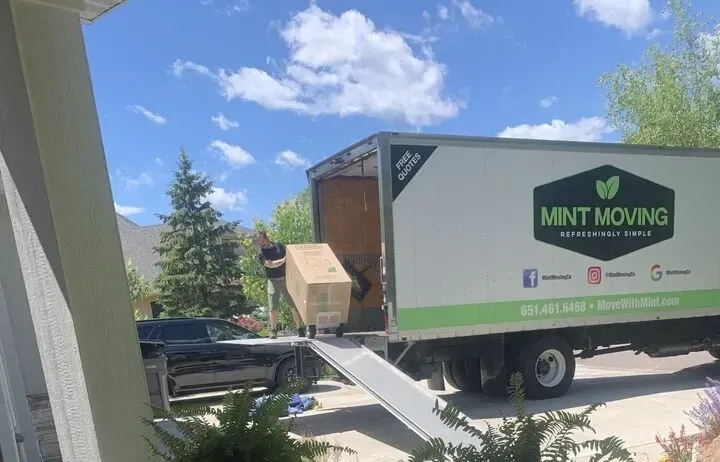
Mint Moving LLC stands ready to help with your relocation once you've secured your perfect Minneapolis apartment.
Contact us today for a free moving quote and let our experienced local team make your transition to the Twin Cities smooth, efficient, and stress-free.