The Real Cost of Moving Appliances Yourself (A Number-by-Number Breakdown)
Knowing how to pack and move appliances is useful. Knowing whether you actually should is a different question entirely, and it's the one most moving guides skip. They'll walk you through strapping a refrigerator to a dolly without ever asking if that's the right call financially.
This post does the math out loud. Equipment, supplies, time, and the cost of a single mistake. By the end, you'll have real numbers to work with, not assumptions.
What You Actually Spend on Equipment and Supplies
Most people underestimate the supply side of a DIY appliance move. The mental math stops at "rent a dolly and borrow a truck." The actual list is longer, and each item adds up faster than expected.
Here's what a typical appliance move requires:
- Appliance dolly rental: $20 to $40 per day. Standard furniture dollies don't work well for tall, heavy appliances like refrigerators or dryers. You need a proper appliance dolly with straps built in.
- Four-wheel furniture cart: $25 to $50 if not included in your rental. Side-by-side refrigerators and chest freezers need a flat cart, not a two-wheel upright dolly.
- Moving straps: $15 to $30. These keep appliances secure during loading and transport, and they're not optional if you care about your back or your floors.
- Moving blankets: $20 to $40 for a usable set. Appliances with exposed metal edges or glass doors will scratch other surfaces without padding.
- Drum stabilizer kit for washing machines: $10 to $20. Skipping this step risks permanent damage to the drum bearings during transit.
- Packing tape and stretch wrap: $10 to $20. For cords, doors that swing open, and loose parts.
Before you've rented a truck, spent any time, or touched a single appliance, you're already at $100 to $200 in supplies alone. Some of those items are one-time purchases. Most are rentals that clock cost by the day, which means delays extend your bill.
The Time Cost That Never Makes the List
Packing appliances for moving is slow work when you do it correctly. Rushing it is how damage happens. That tension, between doing it right and doing it fast, is where the hidden cost lives.
A realistic time estimate for moving three to four major appliances, a refrigerator, washer, dryer, and range, looks like this:
Preparation alone takes two to four hours. That covers defrosting the refrigerator the night before, disconnecting the washer, securing the drum, capping water lines, removing the dryer vent, and cleaning out the range. None of these steps are complicated, but each one takes longer than you'd expect if you haven't done it before.
Loading takes another one to two hours, assuming two people and no major obstacles. Appliances are awkward, not just heavy. Maneuvering a refrigerator through a narrow hallway or around a corner requires patience and the right technique. One wrong angle and you're looking at a dented door or a wall repair.
Unloading, reconnecting, and testing at the new place adds another one to two hours. Water lines need reconnecting. The dryer vent needs reattaching. The refrigerator needs time to stabilize before you load it with food. If any reconnection goes wrong, add more time for troubleshooting.
At a conservative estimate of six to eight hours total across two people, you're looking at 12 to 16 combined hours of effort. At $25 per hour, that's $300 to $400 in time cost. At $35 per hour, it's $420 to $560.
Add that to your supply costs and you're sitting between $400 and $760 before the truck rental enters the picture.
Moving Large Appliances Safely Requires More Than Muscle
Moving large appliances safely isn't purely a strength problem. It's a technique and equipment problem. Most appliance damage during DIY moves comes from one of three sources: tipping during transit, floor scratches from dragging, or doorframe impact during maneuvering.
Tipping happens when an appliance isn't secured properly to the dolly. A refrigerator shifted onto its side during transport can damage the compressor, which is an expensive repair on a unit that might be three years old. A washing machine moved without its drum secured can arrive at the new place with a failed bearing, which costs more to fix than the move saved.
Floor scratches are consistent and easy to underestimate. Hardwood floors in particular show every drag mark, and a refrigerator pulled across an entry hallway without proper floor protection can leave a trail that costs real money to repair or refinish.
Doorframe damage is the most common and most underappreciated cost in a DIY appliance move. Modern doorframes are not built for repeated impacts from 200-pound appliances. A chipped frame or cracked casing in a rental unit can come directly out of your deposit. In a home you own, it becomes a repair you either live with or spend money fixing.
The Honest Comparison: DIY vs. Professional Appliance Moving
Here's where the numbers actually land side by side.
A typical DIY appliance move for three to four major appliances, assuming you already have help lined up, costs:
- Equipment and supplies: $100 to $200
- Truck rental (if not already planned for other items): $80 to $150 for a half-day
- Time cost at a conservative $30 per hour across two people for seven hours: $420
- Total: roughly $600 to $770
A professional crew handling the same appliances typically quotes between $300 and $600 for dedicated appliance moving services, depending on your market and the complexity of the job. That includes the equipment, the labor, and coverage if something goes wrong.
The gap is $50 to $150 in many cases. Before you factor in damage.
One doorframe repair runs $100 to $300. A floor refinishing job on a section of hardwood is $200 to $500. A refrigerator compressor repair, if moving it on its side damaged the unit, can run $300 to $600 or require full replacement. Any one of these events eliminates the savings from the DIY approach entirely.
This isn't about fear-mongering. Plenty of people move their own appliances without incident. But the financial exposure is real, and it belongs in the comparison. If the honest math puts DIY at $650 and professional service at $450, with the professional option carrying built-in accountability for damage, the decision becomes straightforward.
How to Pack Small Appliances vs. Large Ones
Not everything in your kitchen requires a dolly. Knowing how to pack small appliances correctly saves time and prevents breakdowns that show up weeks later.
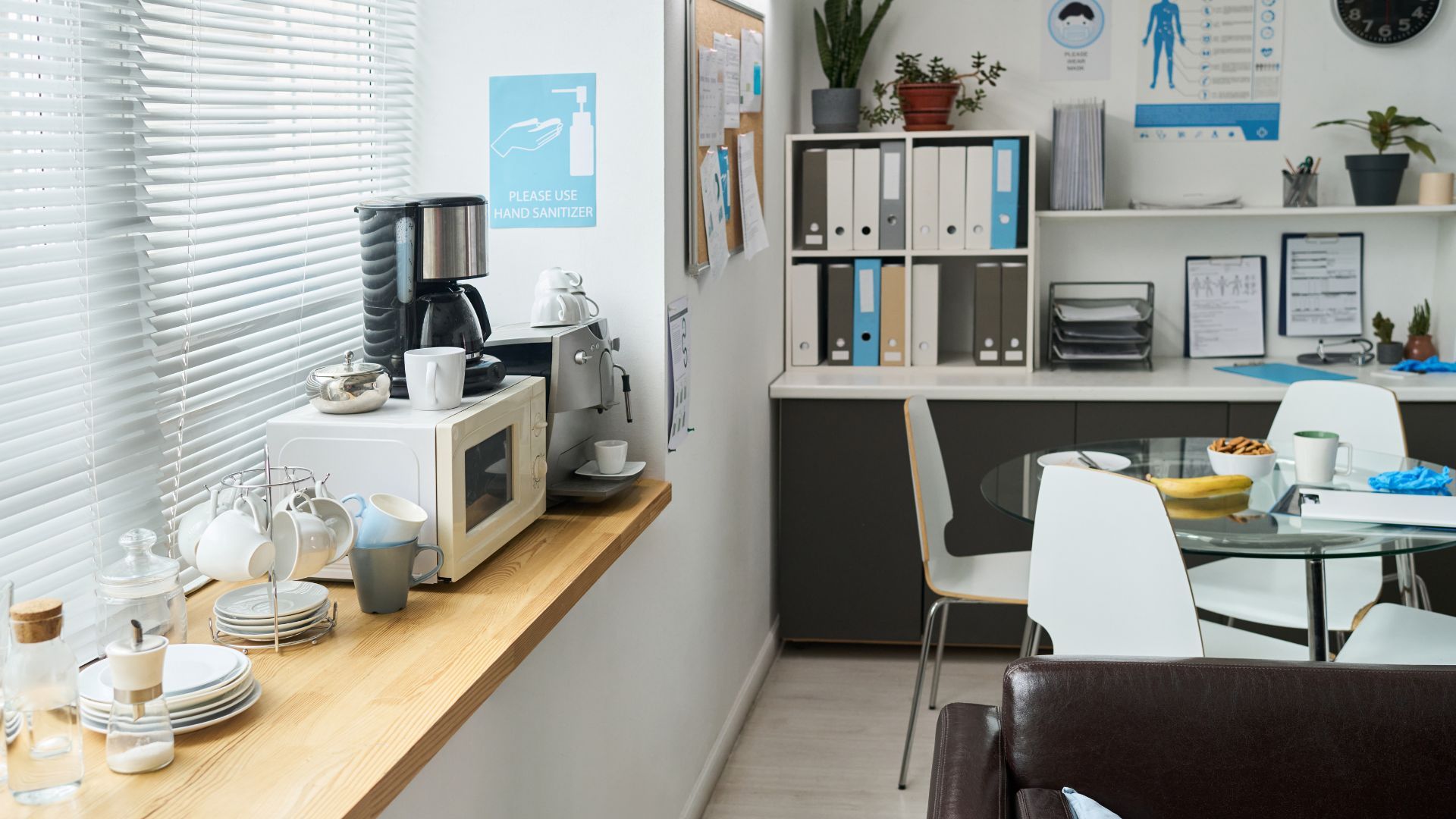
For countertop appliances, the approach is more straightforward. Clean and dry everything before packing. Wrap cords and store them inside the appliance body or in a labeled bag. Use the original box if you have it. If not, find a box that fits with about two inches of clearance on each side, and fill the gap with packing paper or bubble wrap. For glass components like blender pitchers or food processor bowls, wrap each piece individually in paper before boxing.
For built-in or semi-large appliances like dishwashers and microwaves, the preparation step matters most. A dishwasher needs its water line disconnected and the interior dried out before moving. Residual water causes mold during a multi-day move. A microwave mounted above a range needs two people to handle safely, and the mounting plate should be removed and packed separately with the hardware bagged and labeled.
The consistent rule across all appliances, small and large, is that labels save time at the other end. A box marked "kitchen, microwave cords, hardware in red bag" takes 30 seconds to unpack correctly. An unlabeled box takes three times as long.
When the Math Points Toward Hiring Help
After running the full numbers, some moves clearly favor professional handling. Appliances that require disconnecting gas lines fall into that category immediately. Disconnecting a gas range or gas dryer without experience is a job for a licensed technician, full stop. The cost of a gas leak or an improperly capped line is not a variable you want in your comparison.
Appliances moving through difficult spaces, narrow staircases, tight corners, or multiple flights of elevation also shift the math quickly. Each added obstacle increases the time, the physical risk, and the probability of damage. Professional crews carry the right equipment for those situations and handle them regularly.
A transparent quote from a professional service lets you compare real numbers, not assumptions. Mint Moving provides itemized quotes built exactly for that comparison. If you're weighing your options, getting a quote takes a few minutes and gives you the actual number to hold next to your DIY estimate.
The full-service moving options available through Mint Moving cover appliances along with the rest of your move, which changes the math further since the cost of the crew is already factored into the overall job.
Running the comparison with real numbers is how you make a confident decision. The goal isn't to talk you out of DIY. The goal is to make sure you're choosing it for the right reasons, with a clear picture of what it actually costs. More planning resources are available on the Mint Moving resources page if you want to keep building out your moving plan.