Average Rent in Minneapolis, MN by Area
Minneapolis offers diverse neighborhoods with rental options for every budget and lifestyle. Understanding the average rent in Minneapolis, MN, helps you make informed decisions about where to live. The city's rental market varies significantly by area, with prices influenced by proximity to downtown, amenities, and neighborhood character. We've compiled comprehensive data on Minneapolis rental prices by neighborhood to help you find the perfect place to call home. This guide breaks down what you can expect to pay across different areas and what factors drive these costs.
What Is the Average Rent in Minneapolis, MN?
The current average rent in Minneapolis hovers around $1,450 for a one-bedroom apartment and $1,850 for a two-bedroom unit. These figures represent the citywide median, though actual costs vary considerably by neighborhood and building type. According to RentCafe's market trends data, Minneapolis has seen modest rent increases over the past year, reflecting steady demand and limited new inventory in popular areas.
Studio apartments typically range from $1,100 to $1,400, depending on location and amenities. Three-bedroom units command higher prices, averaging $2,300 to $2,800 in most neighborhoods. Luxury buildings with premium amenities like rooftop terraces, fitness centers, and parking can push these numbers significantly higher. The Minneapolis apartment costs reflect the city's strong job market and growing population of young professionals.
Market conditions show seasonal fluctuations, with peak rental activity occurring between May and September. Winter months often bring slightly lower prices and more negotiating power for renters. Understanding these patterns helps you time your apartment search strategically.
Minneapolis Rental Prices by Neighborhood
Downtown Minneapolis
Downtown Minneapolis commands premium prices due to its central location and proximity to major employers. One-bedroom apartments average $1,700 to $2,200, while two-bedroom units range from $2,400 to $3,200. The area attracts professionals working at companies like Target Corporation and professional services firms located in the skyway system.
Living downtown provides walkable access to entertainment, dining, and cultural venues like the Guthrie Theater. Modern high-rise buildings dominate this area, offering amenities like concierge services, parking, and skyway connections. Transportation convenience includes easy access to both Blue and Green Line light rail stations. We've helped numerous clients relocate to downtown buildings that fit their lifestyle and budget needs.
Uptown and South Minneapolis
Uptown remains one of Minneapolis's most vibrant rental markets, with average costs between $1,400 and $1,900 for one-bedroom apartments. This trendy neighborhood offers eclectic dining, nightlife, and proximity to the Chain of Lakes. Two-bedroom units typically cost $1,900 to $2,500, depending on building age and condition.
The broader South Minneapolis area includes neighborhoods like Powderhorn, Kingfield, and Lyndale. These areas offer more affordable options, with one-bedrooms ranging from $1,200 to $1,600. The Minneapolis rental prices by neighborhood drop as you move further from Uptown's commercial core. Many buildings feature classic character with hardwood floors and vintage charm that newer constructions lack.
Northeast Minneapolis (Arts District)
Northeast Minneapolis has transformed into a cultural hub with brewery taprooms, art galleries, and creative spaces. Average rent for one-bedroom apartments ranges from $1,300 to $1,700. This area attracts artists, young families, and professionals seeking authentic neighborhood character at reasonable prices.
The Arts District offers excellent value compared to downtown rates while maintaining quick access to central Minneapolis. Two-bedroom apartments average $1,700 to $2,200, with older buildings providing more affordable entry points. The neighborhood's proximity to the City of Minneapolis offers pet-friendly parks and riverfront trails that add recreational appeal. We recommend this area for clients wanting a neighborhood atmosphere without sacrificing urban convenience.
North Loop
The North Loop represents Minneapolis's most dramatic neighborhood transformation over the past decade. This former warehouse district now features luxury lofts and modern apartment buildings. One-bedroom units start around $1,800 and can exceed $2,500 for premium spaces with river views.
Two-bedroom apartments in the North Loop range from $2,500 to $3,500, reflecting the area's upscale dining scene and proximity to Target Field. The neighborhood attracts high-earning professionals and empty nesters seeking urban sophistication. Historic warehouse conversions offer exposed brick and timber beam ceilings that command premium rents.
Our Minneapolis, MN, city guide provides detailed insights into what makes each neighborhood unique for potential residents.
Seward and Longfellow
Seward and Longfellow neighborhoods offer some of Minneapolis's best rental values for families and students. One-bedroom apartments average $1,100 to $1,400, while two-bedroom units range from $1,400 to $1,800. These residential areas provide quiet streets, good schools, and strong community connections.
Both neighborhoods feature predominantly older buildings with lower overhead costs passed to renters. Proximity to the University of Minnesota and excellent bike infrastructure make these areas popular with students and cyclists. The cost of renting in Minneapolis drops noticeably in these neighborhoods while maintaining quality housing stock. Local businesses along Franklin Avenue and East Lake Street create neighborhood gathering spots.
What Affects Rent Prices in Minneapolis?
Proximity to Downtown and Light Rail
Transportation access significantly impacts rental costs throughout Minneapolis. Apartments within walking distance of light rail stations command premiums of $100 to $300 monthly compared to similar units requiring car dependency. The Metro Transit Blue and Green Lines provide direct access to downtown, the airport, and the Mall of America.
Buildings near major employment centers downtown naturally cost more due to reduced commute times. Neighborhoods with easy freeway access to Interstate 94 or Interstate 35W also see elevated demand. We've observed that clients prioritizing walkability or transit access willingly pay higher rents for location convenience. Properties near future transit expansion routes often see anticipatory price increases before service begins.
Building Age and Amenities
Newer construction buildings with modern amenities typically charge $200 to $400 more than comparable older units. In-unit laundry, central air conditioning, and updated kitchens justify premium pricing for many renters. Luxury buildings offering fitness centers, rooftop terraces, and parking garages command the highest rates across all neighborhoods.
Older buildings from the 1920s through the 1970s often provide better value despite lacking modern conveniences. These properties feature larger floor plans, hardwood floors, and distinctive architectural character absent in new construction. Pet-friendly policies, utilities included in rent, and flexible lease terms can offset slightly higher base rates. Understanding which amenities matter most to your lifestyle helps identify the best value propositions.
Neighborhood Safety and Schools
Safety perceptions and school quality ratings directly influence rental demand and pricing. Areas with lower crime rates and higher-rated schools attract families willing to pay premiums for peace of mind. The Minneapolis Police Department provides neighborhood crime statistics that inform renters' decisions.
Neighborhoods experiencing revitalization see rapidly rising rents as safety improvements and new businesses transform areas. Our experience helping families relocate shows that researching the safest neighborhoods in Minneapolis, MN, remains a top priority for most apartment hunters. School district boundaries within Minneapolis Public Schools affect family rental choices significantly. Properties in catchment areas for sought-after schools often rent quickly at premium prices.
Tips for Finding Affordable Rent in Minneapolis
Timing your apartment search strategically can save hundreds of dollars monthly. Late fall and winter months see reduced competition, and landlords are more willing to negotiate rates. Starting your search 60 to 90 days before your desired move date provides optimal selection without desperation pressure.
Consider up-and-coming neighborhoods where rent trends in Minneapolis, Minnesota, haven't yet peaked. Areas undergoing development offer current affordability with potential for improved amenities. We've helped clients find excellent value in neighborhoods like Folwell, Victory, and Camden that offer solid housing at lower price points. First-floor units, garden-level apartments, and buildings without elevators typically cost less than comparable upper-floor units.
Understanding lease terms helps you negotiate better deals and avoid unnecessary costs. Some landlords reduce rent for longer lease commitments or upfront annual payments. Clarify what utilities are included, parking costs, pet fees, and application requirements before committing. Buildings offering move-in specials like first month free or waived deposits provide immediate savings when factored into annual costs.
How We Help You Move to the Right Minneapolis Neighborhood
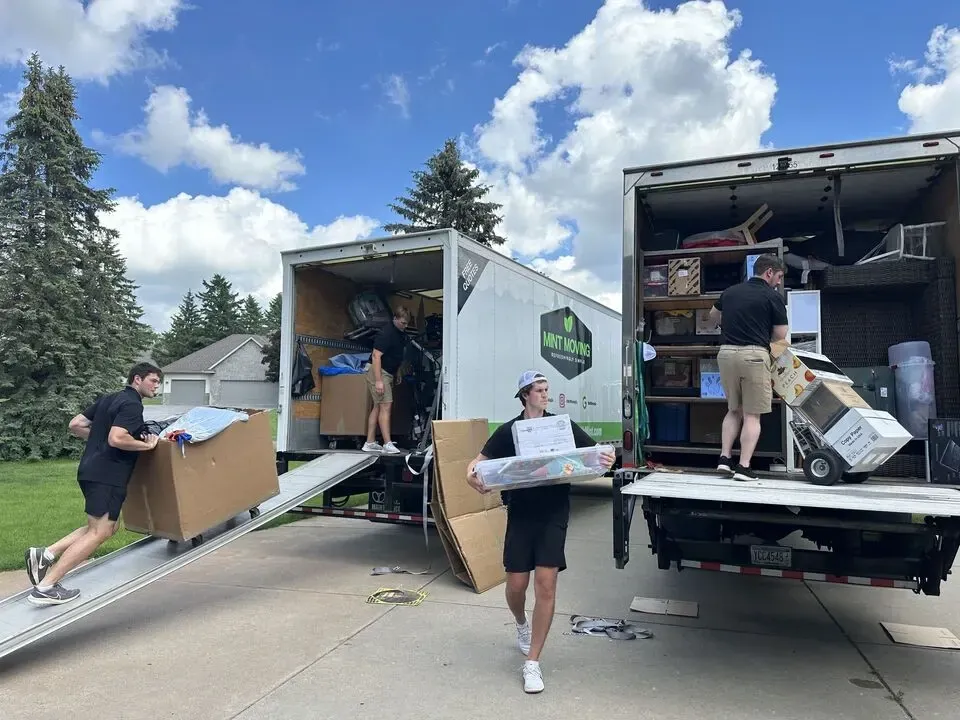
At Mint Moving LLC, we understand that choosing the right neighborhood matters as much as finding the perfect apartment. Our team provides local expertise beyond just transporting your belongings from point A to point B. We've helped hundreds of residents navigate Minneapolis's diverse rental market and settle into neighborhoods matching their lifestyle priorities.
Our moving services include careful handling of furniture and belongings to ensure your transition to a new Minneapolis apartment goes smoothly. We work efficiently to minimize disruption and get you settled quickly in your new space. Whether you're relocating from across the country or moving across town, we provide the support needed for a stress-free experience.
Conclusion
Understanding average rent in Minneapolis, MN, by neighborhood empowers you to make informed housing decisions that fit your budget and lifestyle. Prices range from affordable options in residential areas like Seward to premium downtown luxury apartments, offering something for every renter. Location, amenities, building age, and neighborhood character all influence what you'll pay monthly. The Minneapolis rental market rewards research and strategic timing when searching for your next home.
Ready to make your move to the perfect Minneapolis neighborhood? Contact Mint Moving LLC today for professional moving services that make your transition seamless and stress-free.